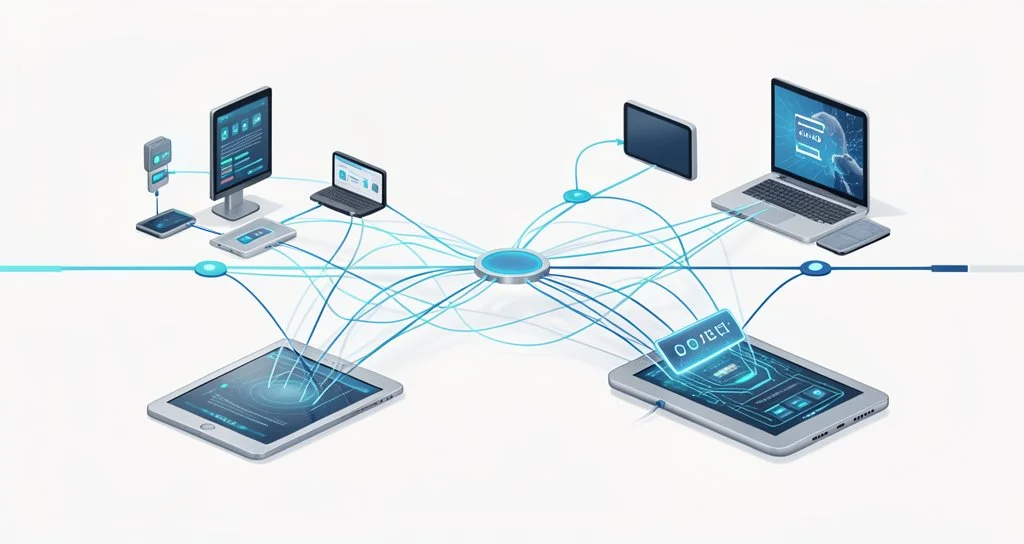
Smart devices are no longer a glimpse of the future — they’re the foundation of it. From thermostats that learn your schedule to wearables that flag health issues before you feel them, connected technology is quietly reshaping how we live, work, and communicate. Understanding how these devices operate together is the first step toward making them work for you.
In this guide, we break down how smart devices are building the future of connected technology, what it means for your daily life, and the practical steps you can take to benefit today. Whether you’re setting up your first smart home or refining an existing system, you’ll find clear, actionable insights you can use right away.
Introduction
Smart devices have moved from novelty gadgets to the everyday infrastructure of modern life. From thermostats that learn your schedule to watches that track your heart rate, connected technology now shapes how people live, work, and communicate. This article explores how smart devices are building the future of connected technology, with clear, practical guidance you can apply whether you are setting up a first smart home, evaluating a purchase, or simply trying to understand where the industry is heading.
The pace of change can feel overwhelming. New products appear constantly, standards shift, and marketing language often obscures more than it reveals. The good news is that the underlying principles are stable and learnable. Understanding the fundamentals of how smart devices are building the future of connected technology helps you make informed decisions rather than reacting to each new announcement. Reliable information and consistent habits lead to better long-term outcomes, both in terms of security and in getting genuine value from the devices you choose.
This guide is written for curious, practical readers. You do not need an engineering background. What you need is a willingness to think in systems, ask the right questions before buying, and maintain a few simple routines after installation. The sections that follow cover key concepts, a deeper examination of how the ecosystem works, a step-by-step path you can follow, best practices, and answers to common questions.
Key Concepts
Before diving into specifics, it helps to establish a shared vocabulary. The phrase “connected technology” describes devices that collect, share, and act on data through a network. A smart device is simply a connected device with some ability to sense its environment, make local or cloud-based decisions, or be controlled remotely.

The device, the network, and the platform
Every smart device system has three layers. The device layer includes the physical hardware: sensors, chips, and actuators. The network layer is how data travels, whether over Wi-Fi, Bluetooth, a low-power radio protocol such as Zigbee or Thread, or a cellular connection. The platform layer is the app, hub, or cloud service that coordinates devices and presents controls to you. Problems usually arise at the seams between these layers, which is why compatibility matters so much.
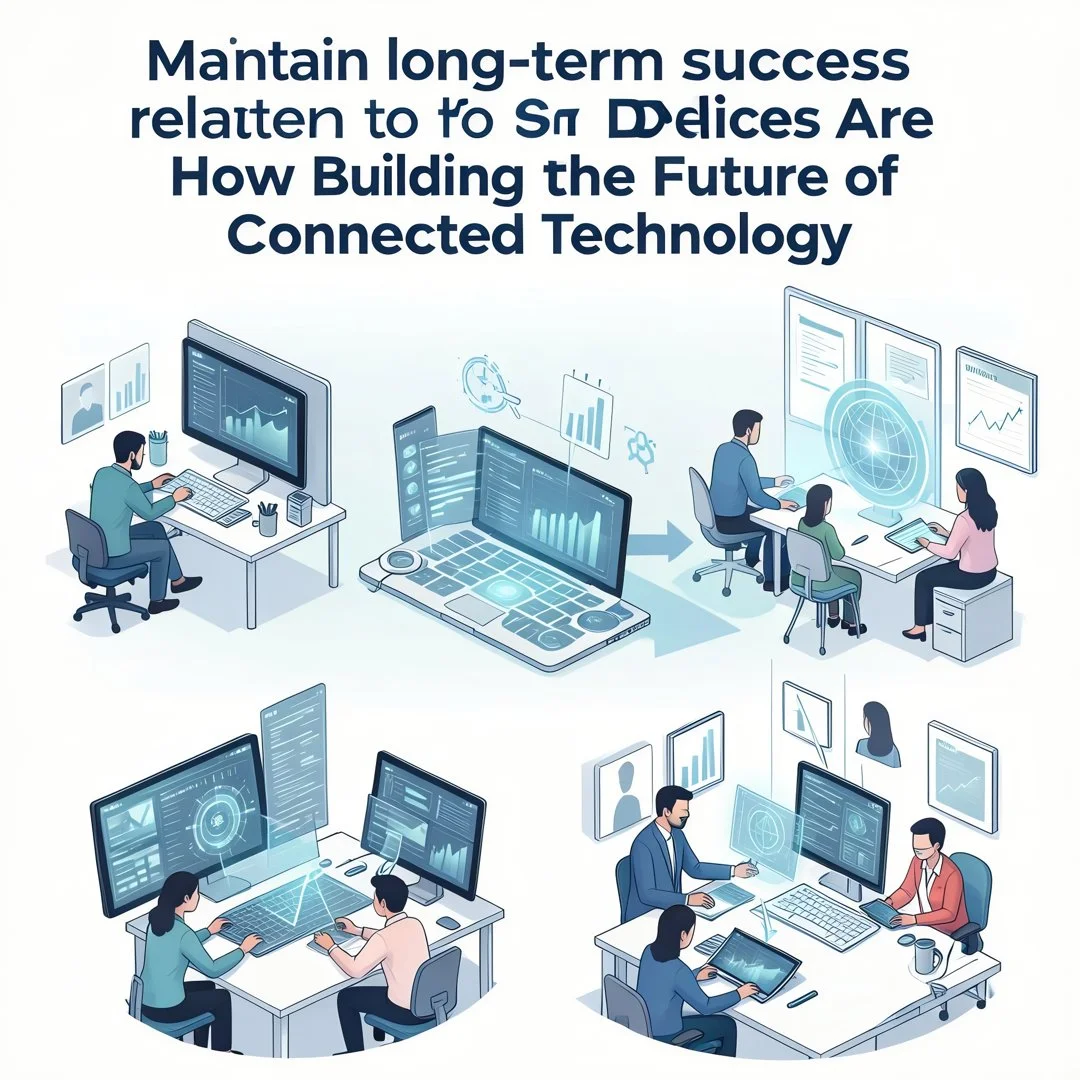
Interoperability and standards
For years, smart devices from different brands struggled to speak the same language. That is changing. Shared standards such as Matter, alongside established protocols like Thread and Wi-Fi, aim to let devices from multiple manufacturers work together reliably. As you evaluate products, favor ones that support recognized standards. Interoperability is not just a convenience feature; it protects your investment and keeps your options open.
Automation, sensing, and intelligence
Connectivity alone adds limited value. The real benefits emerge when devices sense conditions and trigger actions automatically: lights that adjust with daylight, locks that secure when you leave, sensors that warn of water leaks. Increasingly, on-device intelligence and cloud analytics turn raw data into useful patterns. Understanding this distinction helps you judge marketing claims, because a device that merely connects is not the same as one that genuinely automates a task.
Data, privacy, and security
Connected devices generate data, and that data has value to you and to manufacturers. The core concepts here are consent, transparency, and control. Know what a device records, where the data is stored, and how it is used. Strong authentication, regular updates, and encrypted communication are baseline expectations, not premium extras.
Deep Dive
To see how smart devices are building the future of connected technology, it helps to look at the forces driving change and the practical implications for ordinary users.
From isolated gadgets to coordinated ecosystems
The early smart home was a collection of apps, one per device. The current direction is toward ecosystems that coordinate automatically. When a door sensor, a camera, and a light work together, the whole is more useful than the parts. This shift favors hubs and standards that reduce friction. For users, the practical lesson is to plan for coordination from the start. Buying a dozen devices that each require a separate app creates friction that erodes the value over time.
Edge processing and local control
More devices now process data locally rather than sending everything to the cloud. Local processing can improve response times, reduce bandwidth, and keep sensitive data on your premises. Many systems continue to work even when the internet is down. When comparing products, ask whether core functions depend on a cloud connection. Devices with local fallback tend to be more reliable and more private.
Energy management and sustainability
Smart thermostats, plugs, and lighting were among the first connected devices to demonstrate measurable savings, and energy management remains one of the strongest arguments for adoption. As grids become more dynamic, devices that shift consumption to cheaper or cleaner hours will matter more. For households, the takeaway is to treat efficiency as a primary goal, not an afterthought, because the savings compound over years.
Health, wearables, and ambient sensing
Wearables and home health sensors show how connected technology is expanding beyond convenience into wellbeing. The same principles apply: choose devices with credible accuracy claims, understand data-sharing policies, and avoid over-relying on any single metric. Ambient sensing in homes, from air quality to sleep monitoring, is becoming more common and more useful when it feeds clear, actionable recommendations rather than raw numbers.
Security as the foundation
Every connected device is a small computer, and every small computer needs protection. Botnets built from poorly secured devices have caused real disruption, and manufacturers now face pressure to build security in from the start. A solid approach includes changing default credentials, applying updates, segmenting devices on a separate network, and disabling features you do not use. None of these steps is difficult, and together they dramatically reduce risk.
What the next few years likely hold
Expect tighter integration through shared standards, more on-device intelligence, improved battery and low-power radios, and clearer labeling of security and privacy features. Consolidation among platforms is likely, which makes standards-based buying even more sensible. The steady trend is toward technology that recedes into the background and simply works, which is exactly the outcome careful planning produces.
Best Practices
Good outcomes with connected technology come from a handful of consistent habits. These practices apply whether you own two devices or twenty.
- Plan before you buy. Identify the problem you want solved, then choose the simplest device that solves it reliably. Impulse purchases often end up unused.
- Prefer standards-based products. Look for support for widely adopted protocols such as Matter, and check that devices work with the platform you already use.
- Change defaults immediately. Replace default passwords, enable two-factor authentication where offered, and review privacy settings during setup, not later.
- Keep firmware current. Enable automatic updates where possible, and check periodically for devices that do not update themselves.
- Segment your network. Put smart devices on a separate Wi-Fi network or guest network so a compromised device cannot easily reach your computers and phones.
- Document your setup. Keep a simple list of devices, accounts, and apps. It saves time when troubleshooting and when you eventually replace hardware.
- Test automations before relying on them. Run new routines through realistic scenarios, including power outages and internet failures, to see how they behave.
- Review data-sharing choices annually. Policies and settings change over time, so a yearly review keeps you in control.
These habits are not glamorous, but reliable information and consistent habits lead to better long-term outcomes. The people who get the most from smart devices are rarely the ones with the most gadgets; they are the ones with a clear plan and steady maintenance.
Step-by-Step Guide
If you are starting out or reconsidering an existing setup, the following sequence provides a practical path. It works for a single device or an entire home.

Step 1: Understand the fundamentals
Begin by learning the three layers described earlier: device, network, and platform. Identify which connectivity types your home supports and which platform or hub you intend to use. Spend an hour reading about shared standards and basic security hygiene. Understanding the fundamentals of how smart devices are building the future of connected technology helps you make informed decisions, and this groundwork pays off in every choice that follows.
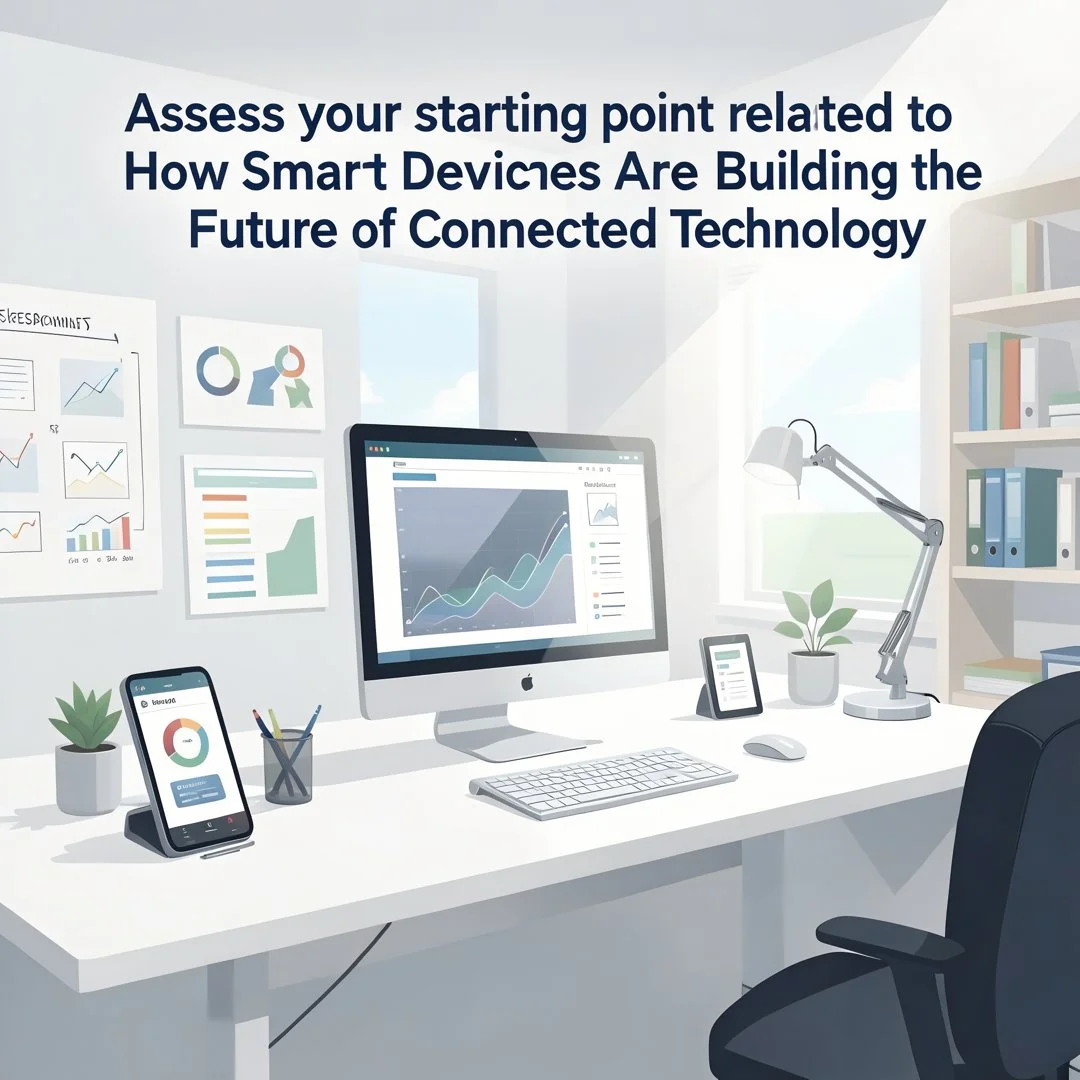
Step 2: Assess your starting point
Take stock of what you already own. List existing devices, apps, accounts, and network equipment. Note which devices still receive updates and which are orphaned. Check your Wi-Fi coverage in the rooms where you plan to add devices. This honest inventory prevents duplicate purchases and reveals gaps, such as a router that cannot comfortably handle additional connections.
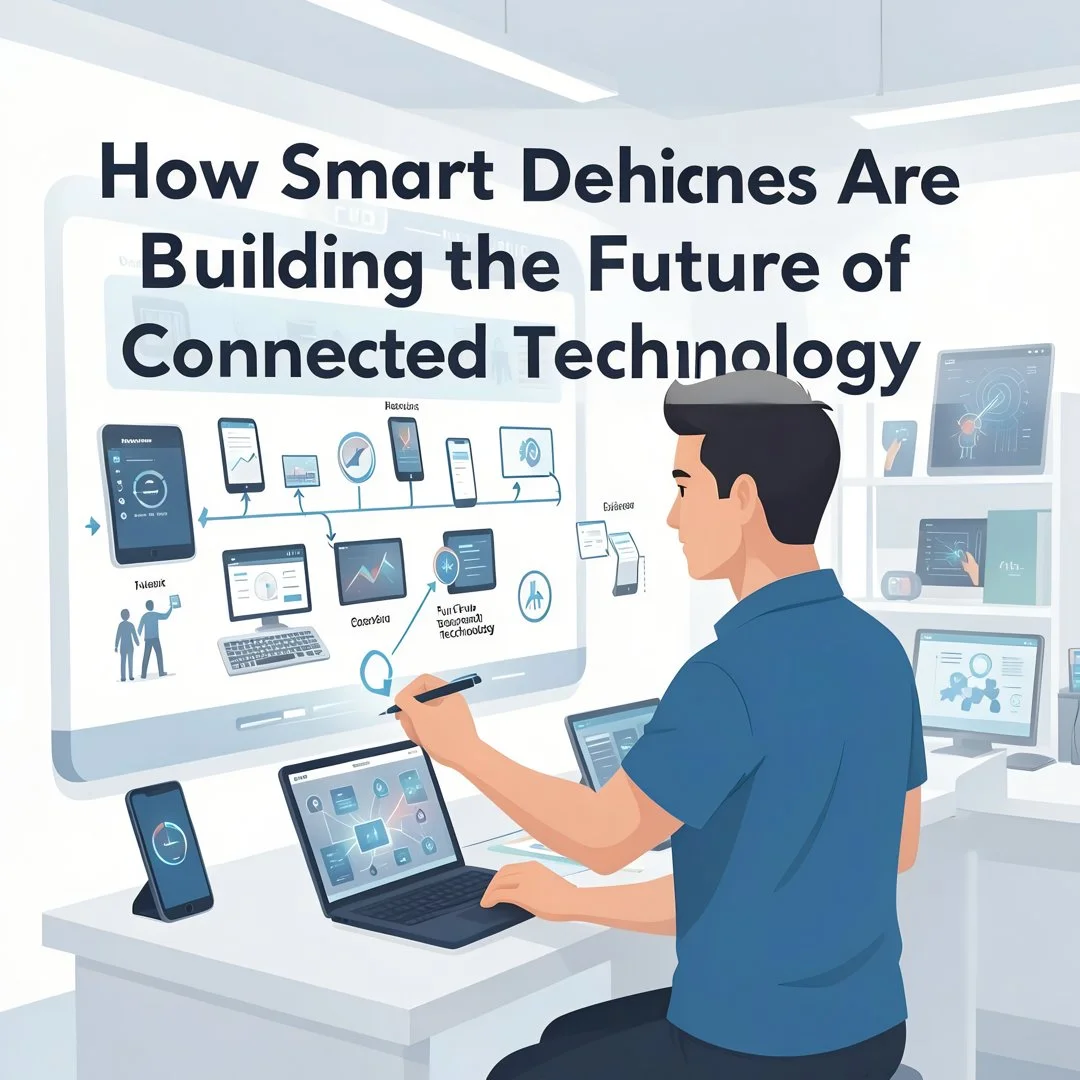
Step 3: Set clear goals
Define what success looks like in concrete terms. Goals might include reducing energy bills, monitoring a specific area of the home, or simplifying morning routines. Write them down and prioritize. Clear goals keep you from buying features you will never use and make it easier to evaluate whether a device delivered on its promise after a few months.

Step 4: Gather necessary resources
Assemble what you need before installing anything: a stable router, a compatible hub if your chosen devices require one, the correct apps, and your account credentials stored securely. Set aside time to read manuals and setup guides. Also budget for sensible extras such as a surge protector, mounting hardware, and a plan for network segmentation.
Step 5: Apply the core methods
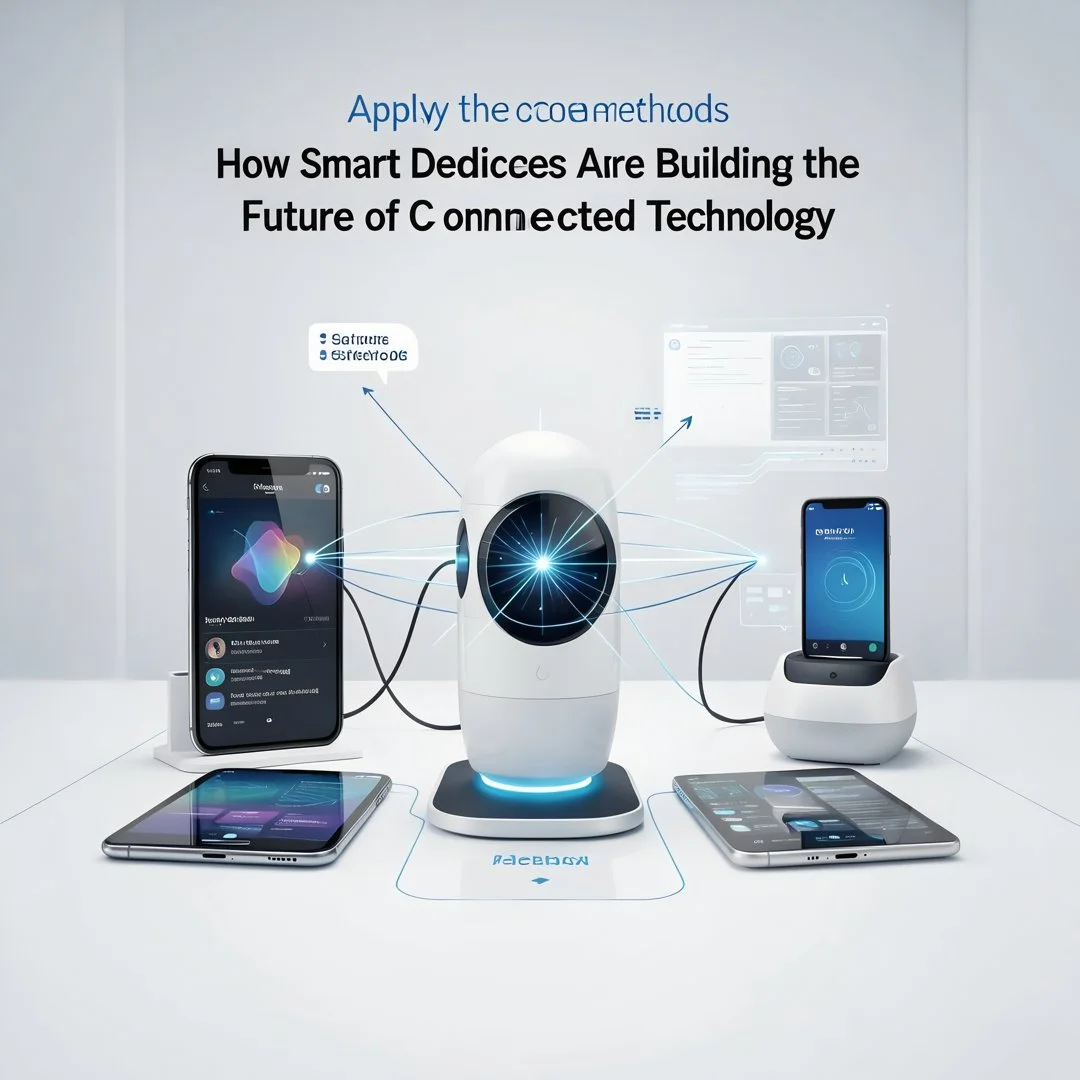
Install devices one at a time and test each before moving on. Change default credentials and review privacy settings during setup. Create simple automations first, then layer in complexity once the basics are reliable. Group related devices into clear rooms and names so controls stay understandable. If a device fails to integrate cleanly, stop and resolve it rather than adding more devices on top of a shaky foundation.
Step 6: Monitor your progress
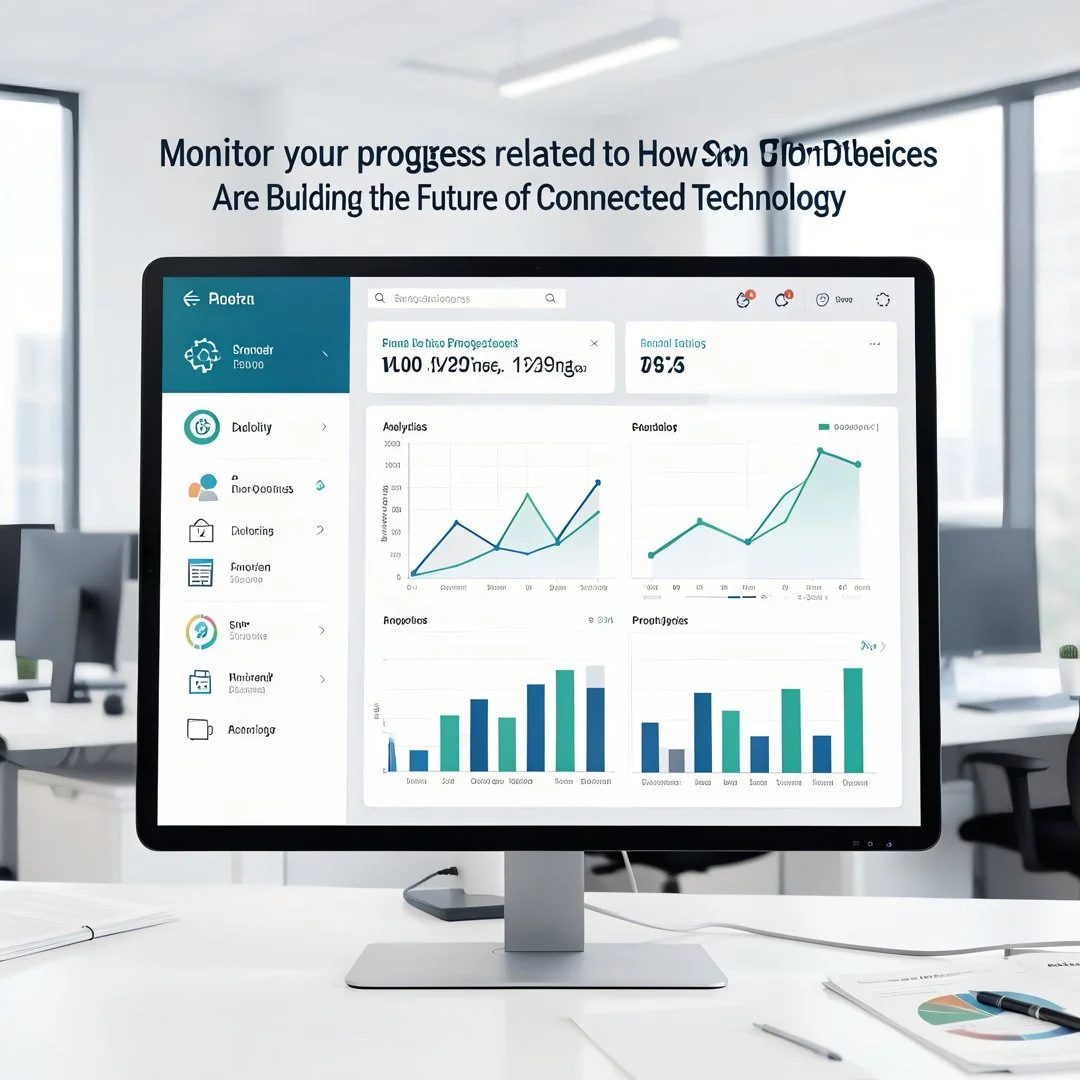
After a few weeks, review how well the setup meets your goals. Check that automations still run correctly, that firmware updates have applied, and that.
You now have a solid foundation for How Smart Devices Are Building the Future of Connected Technology. Apply the best practices above and revisit this guide as your needs evolve.