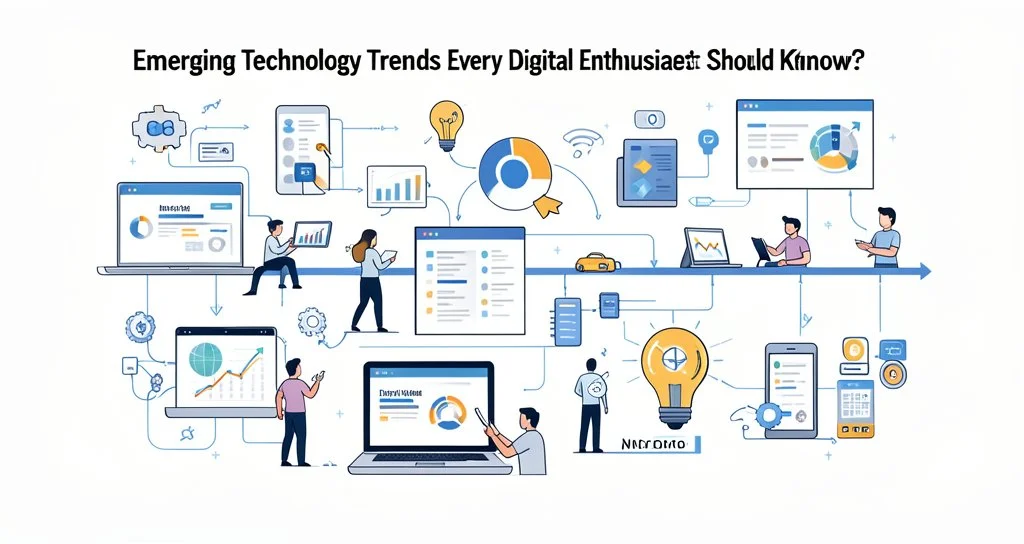
Technology is moving faster than ever, and keeping up can feel overwhelming. From artificial intelligence to quantum computing, emerging technology trends are reshaping how we work, communicate, and live. Understanding these shifts isn’t just for tech experts—it’s essential for anyone who wants to stay informed and ready for what’s next.
This guide breaks down the most important developments in clear, practical terms. You’ll learn what each trend means, why it matters, and how you can act on it today. Whether you’re a curious enthusiast or a forward-thinking professional, these insights will help you navigate the future with confidence.
Introduction
Technology moves quickly, and for anyone who follows digital culture closely, keeping up can feel like a full-time job. This article explores Emerging Technology Trends Every Digital Enthusiast Should Know with clear, practical guidance. Rather than chasing every headline, the goal is to help you separate signals from noise, understand what genuinely matters, and build habits that keep your knowledge current without overwhelming your attention.
Digital enthusiasts come from many backgrounds: hobbyists who tinker with new tools, professionals adapting to changing workflows, students preparing for future careers, and curious readers who simply want to understand where the digital world is heading. What unites them is a desire for clarity. The sections below break down the major trends shaping the current landscape, explain the concepts behind them in plain language, and offer a repeatable process for staying informed on your own terms.
One recurring theme deserves emphasis up front: understanding the fundamentals of emerging technology trends helps you make informed decisions. A headline about a new platform or capability means little without context about how it works, who it serves, and what limitations apply. Throughout this guide, you will find practical framing that turns scattered information into usable knowledge.
Key Concepts
Before diving into specific trends, it helps to map the concepts that recur across nearly all of them. These ideas form the vocabulary you will encounter repeatedly, and grasping them makes every subsequent topic easier to follow.
Artificial intelligence as a general-purpose layer
Artificial intelligence has shifted from a specialist pursuit to a general-purpose layer embedded in everyday software. Search engines, photo editors, writing assistants, and customer service tools all incorporate machine learning models. The practical takeaway is not that every product is equally useful, but that AI literacy—knowing what these systems can and cannot do—is now a baseline skill. Understanding fundamentals such as training data, model limitations, and the difference between generative and analytical tools helps you evaluate claims critically.
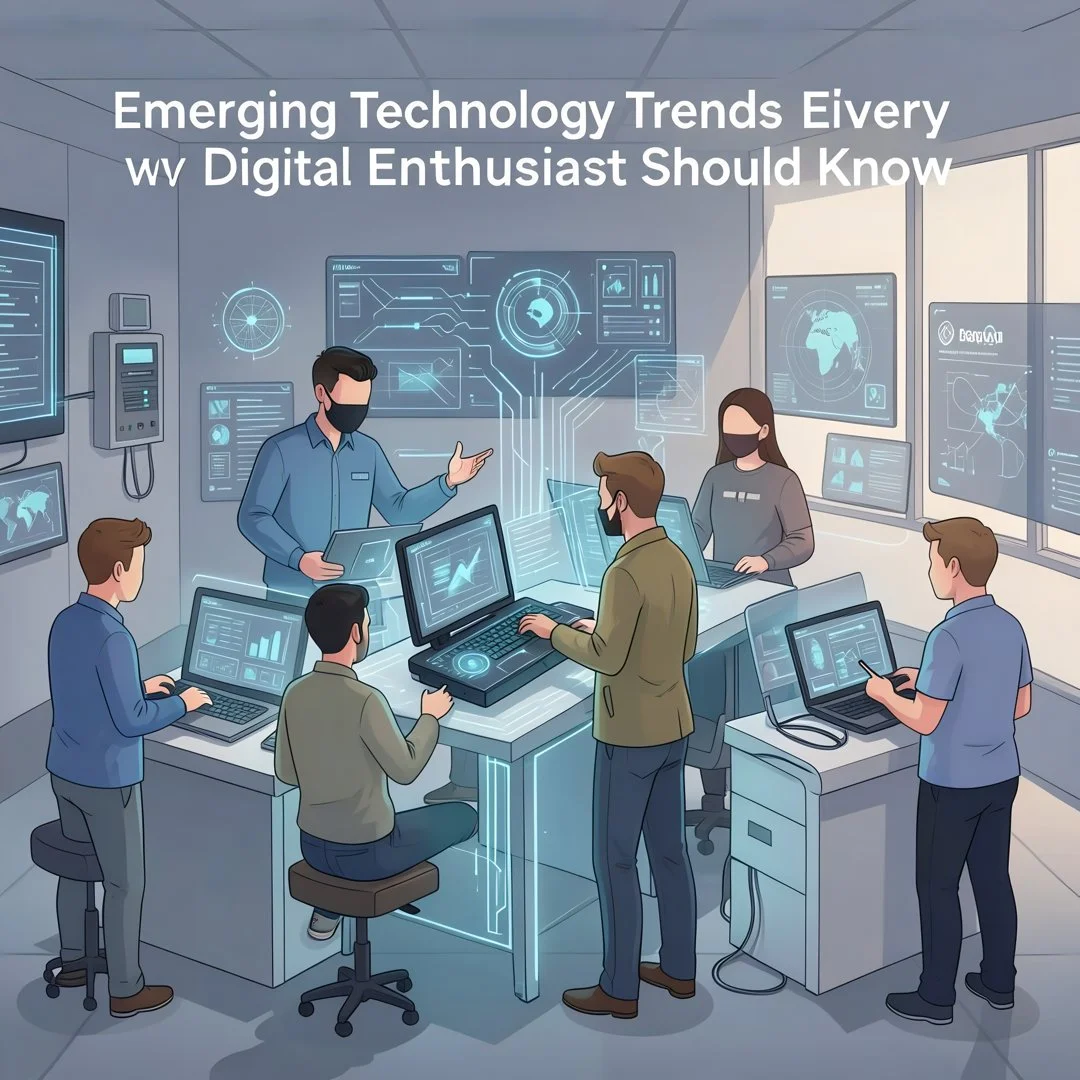
Cloud and edge computing
Cloud computing moved the bulk of processing to remote data centers. Edge computing pushes some of that processing back toward the device—your phone, a smart sensor, a local gateway—reducing latency and bandwidth use. For digital enthusiasts, the relevance is practical: devices increasingly perform sophisticated tasks locally, which affects privacy, performance, and what apps can do offline.
Extended reality and spatial computing
Virtual reality, augmented reality, and mixed reality are often grouped together as extended reality. Headsets and glasses remain a niche category, but spatial interfaces are appearing in design tools, training simulations, and retail experiences. The concept worth understanding is immersion: how virtual elements integrate with the physical environment, and what that integration enables for work and play.
Cybersecurity and zero trust
As more of daily life moves online, security models have shifted. Zero-trust architecture assumes no device or user is inherently trustworthy and verifies access continuously. Even if you never administer a corporate network, understanding concepts such as multi-factor authentication, passkeys, and data minimization strengthens your personal digital hygiene.
Sustainability and efficient computing
Data centers consume significant energy, and the environmental footprint of digital services is receiving more scrutiny. Efficient computing—from smarter cooling to more economical models—is becoming a design consideration rather than an afterthought. Enthusiasts benefit from understanding tradeoffs: heavier features often carry hidden energy and cost implications.
The pace of information
Finally, the volume and velocity of technology news is itself a concept worth managing. Reliable information and consistent habits lead to better long-term outcomes than sporadic bursts of enthusiasm followed by burnout. Curating a small set of trustworthy sources and setting a regular review cadence beats doomscrolling every launch announcement.
Deep Dive
With the vocabulary established, the deeper question is how these trends connect and what they mean for everyday digital life. The most useful mental model is convergence: trends rarely develop in isolation. AI depends on cloud infrastructure; edge devices feed data into AI systems; security concerns shape how all of it is deployed; and sustainability pressures influence which approaches scale.
From novelty to infrastructure
Most major trends follow a similar arc. A technology appears as a novelty, generates enthusiasm and inflated expectations, then settles into quieter infrastructure work where it becomes genuinely useful. Generative AI is currently mid-journey on that arc—widely talked about, unevenly implemented, and gradually maturing into dependable background capability. Digital enthusiasts who understand this pattern are less likely to overreact to hype cycles and better positioned to adopt tools at the moment they become practical.
Data as the throughline
Nearly every trend discussed here relies on data: collecting it, moving it, processing it, protecting it. Understanding where data comes from and how it is handled clarifies many otherwise confusing developments. When a new service launches, ask what data it collects, where processing happens, and who has access. These three questions cut through most marketing claims.
Practical implications for enthusiasts
What does all this mean for you? Consider these concrete implications:
- Skill portability matters. Learn transferable concepts—how models learn, how networks work, how security principles apply—rather than mastering one vendor’s interface that may change in a year.
- Privacy is a design decision. Choose tools that minimize data collection where reasonable, and understand the tradeoffs when convenience demands more data.
- Experiment deliberately. Set aside regular time to try new tools with a specific task in mind rather than sampling everything at once.
- Question metrics and claims. Benchmarks, demonstrations, and press releases are curated. Look for independent reviews and real usage reports before forming opinions.
- Watch the regulatory context. Rules about data protection, AI transparency, and digital markets shape what products appear in your region and how they behave.
Common misconceptions
Several myths persist. One is that emerging technology is always superior to established tools; in practice, mature solutions are often more reliable for core tasks. Another is that keeping up requires consuming everything; focused curation is more effective. A third is that trends are uniform across the world—adoption varies widely by region, industry, and regulation, so local context matters when interpreting global headlines.
Best Practices
Staying informed is a skill, and like any skill it improves with structure. The following section provides a step-by-step approach you can adapt to your own schedule and interests.
Step 1: Understand the fundamentals
Begin with concepts rather than product names. Read an explainer on how machine learning works, how cloud infrastructure is organized, or how authentication protects accounts. Fundamentals age slowly; product specifics age quickly. A few hours spent on core concepts will make everything you read afterward easier to evaluate critically.
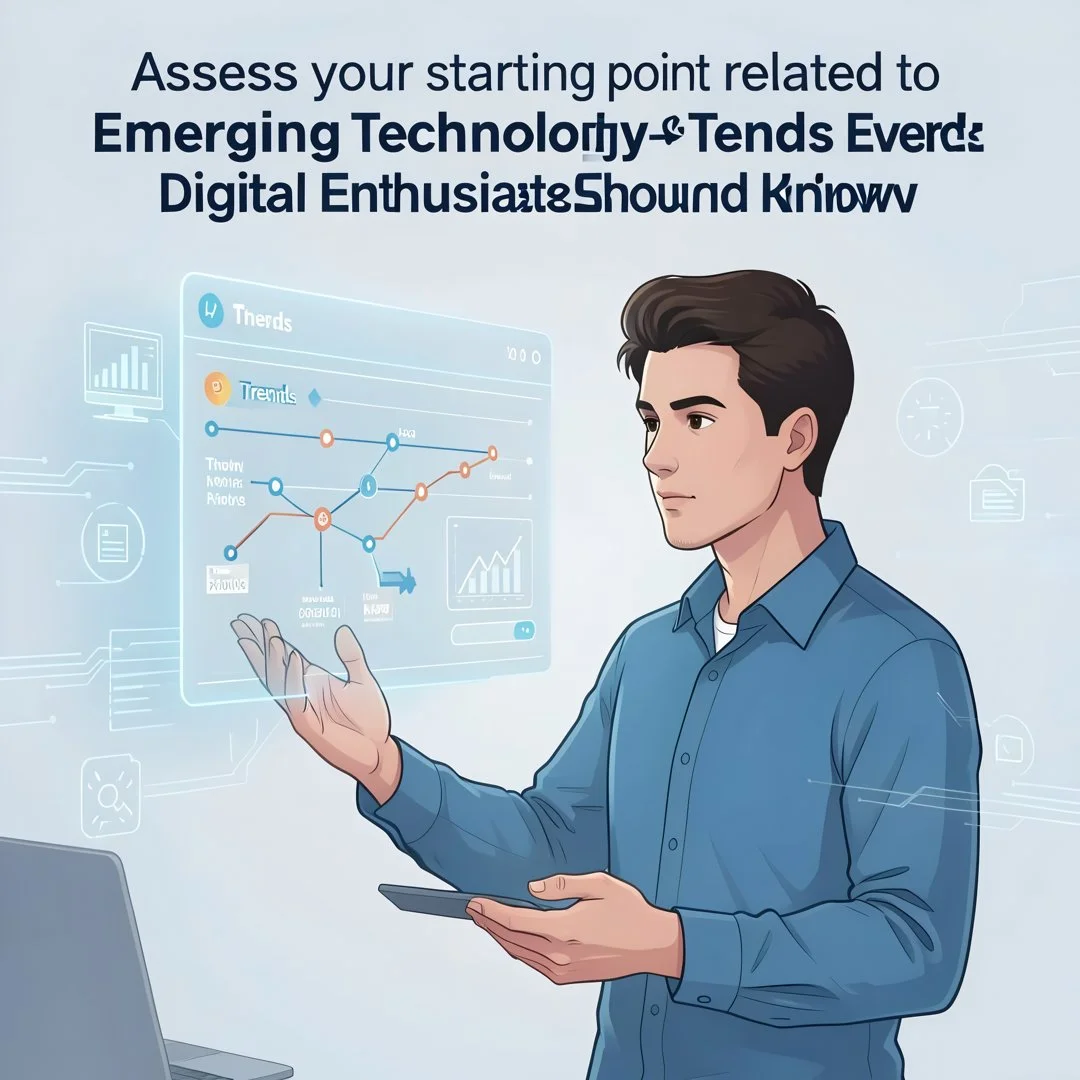
Step 2: Assess your starting point
Take stock of what you already know and where the gaps are. Ask yourself which trends you can explain clearly to a friend and which ones you only recognize as buzzwords. This audit prevents you from re-learning familiar material and directs your attention where it is actually needed. A simple written list of topics and confidence levels works well.
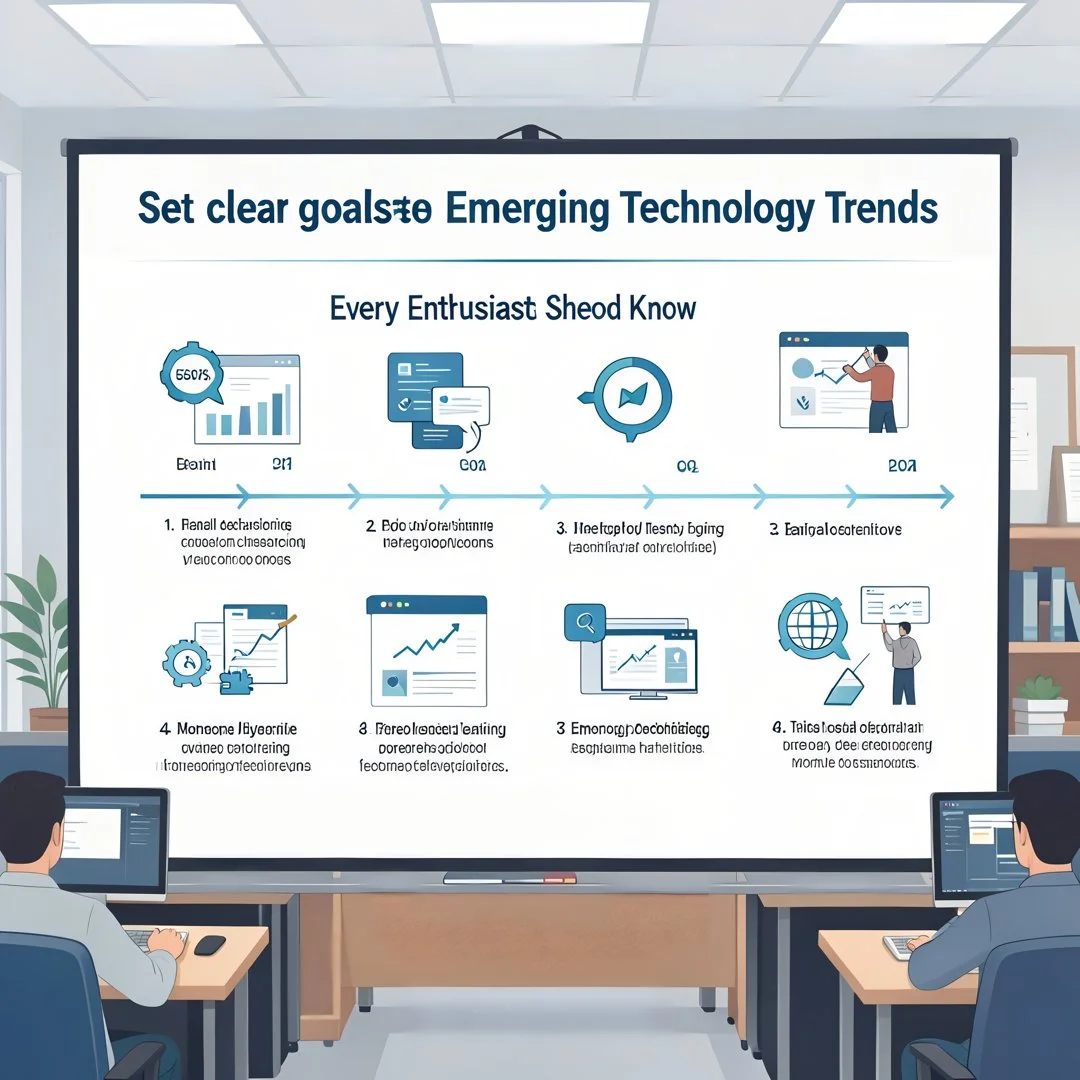
Step 3: Set clear goals
Define what you want from your learning. Goals could be practical—”understand enough about AI writing tools to evaluate one for my newsletter”—or broader—”be able to hold an informed conversation about cybersecurity basics.” Clear goals make it possible to judge progress and avoid drifting into endless, unfocused reading.

Step 4: Gather necessary resources
Build a small, curated set of sources: two or three reputable technology publications, one or two deep-dive newsletters, and perhaps a podcast for commute time. Add primary sources where possible, such as official documentation or research summaries. Resist the urge to subscribe to everything; a handful of reliable sources beats an overwhelming feed.
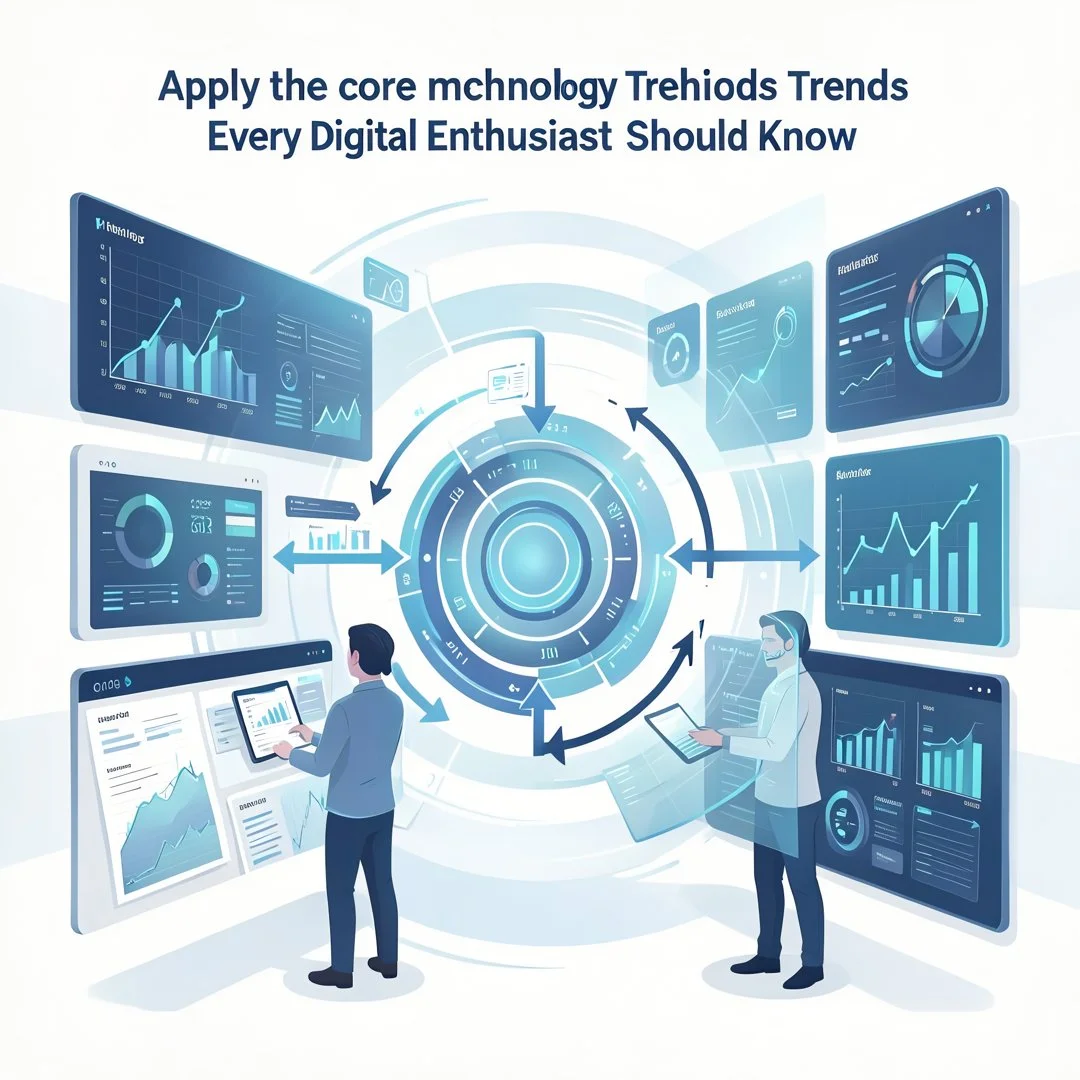
Step 5: Apply the core methods
Turn reading into understanding by using the material. Try a new tool for a real task, summarize an article in your own words, or explain a concept to someone else. Hands-on application exposes gaps that passive consumption hides. Keep experiments small and time-boxed so that exploration does not consume your entire schedule.
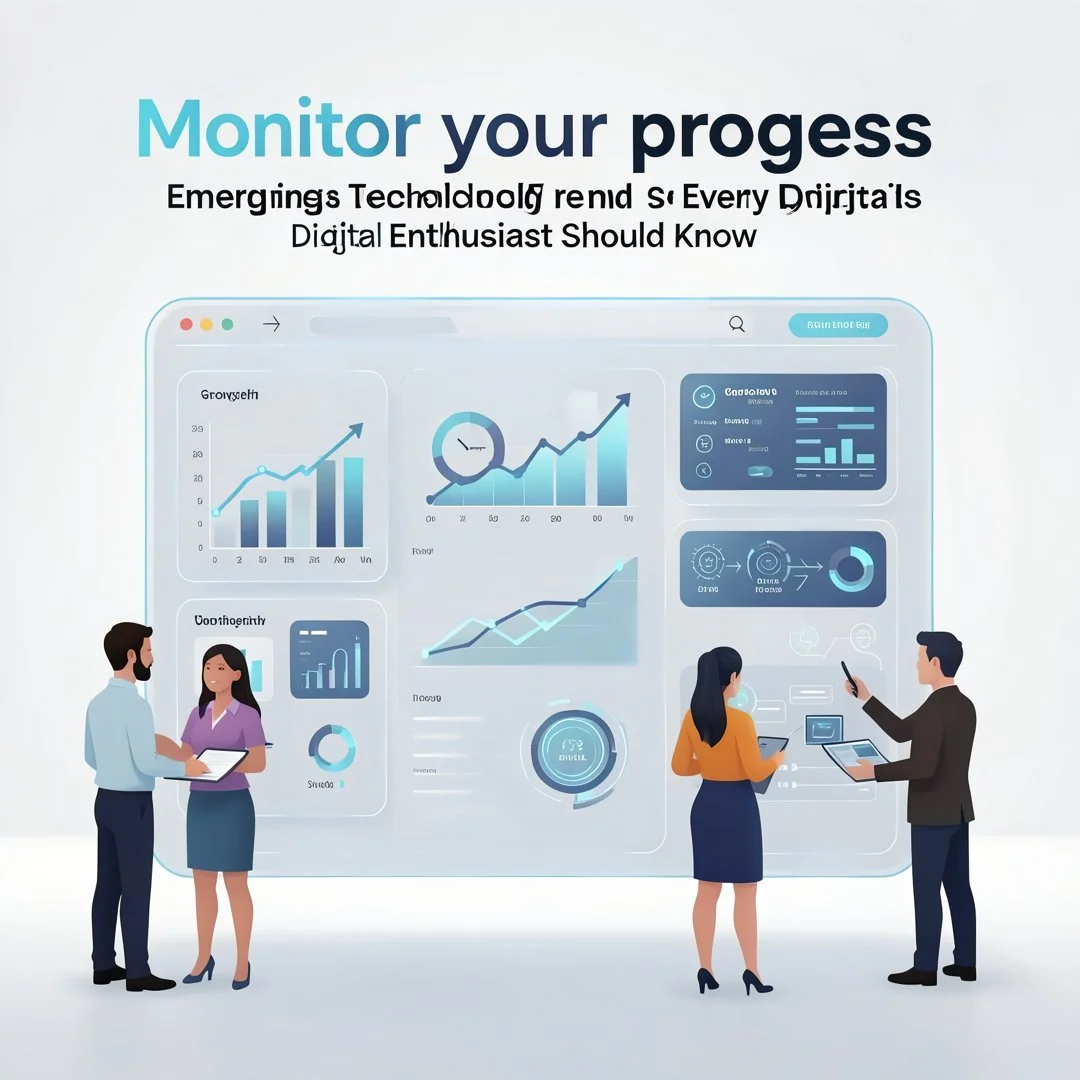
Step 6: Monitor your progress
Review your learning regularly—monthly is a sensible cadence. Which goals have you met? Which sources proved worthwhile? Adjust accordingly. Consistent habits, such as a weekly review session, lead to better long-term outcomes than intense bursts of study followed by abandonment. Track what you have tried and what you have learned to make the process visible.
FAQ
What should I know about Emerging Technology Trends Every Digital Enthusiast Should Know?
The essentials are conceptual understanding, source curation, and regular practice. You do not need to master every trend or follow every launch. Focus on the fundamentals—how AI, cloud computing, security, and spatial interfaces work in broad terms—then build a small set of trustworthy sources and review them consistently. The key is understanding the fundamentals so you can make informed decisions, rather than relying on headlines or marketing materials.
Who is this guide for?
This guide is written for digital enthusiasts of all backgrounds: hobbyists who enjoy experimenting with new tools, professionals adapting to changing workplaces, students preparing for future careers, and curious readers who want a structured way to follow technology news. No technical background is required, though basic familiarity with everyday digital tools will help. The step-by-step process is designed to be adaptable, whether you can dedicate an hour a week or a few hours a month.
How much time should I spend staying current?
A focused hour or two per week is usually enough to maintain awareness without overload. Consistency matters more than volume; a regular cadence builds durable knowledge, while sporadic binge-reading tends to fade quickly.
Should I try every new tool?
No. Be selective. Choose tools that address a specific need or curiosity, time-box your experimentation, and keep notes on what worked. Deliberate experimentation teaches more than scattered sampling.
Conclusion
Emerging technology trends reward a thoughtful approach. By building a foundation in core concepts—AI, cloud and edge computing, extended reality, security, and sustainability—you gain a framework for evaluating new developments as they arrive. Reliable information and consistent habits lead to better long-term outcomes, whether your goal is professional growth or personal curiosity. Start with fundamentals, set clear goals, curate your sources, and.
You now have a solid foundation for Emerging Technology Trends Every Digital Enthusiast Should Know. Apply the best practices above and revisit this guide as your needs evolve.