Cloud computing has moved from a technical buzzword to the engine room of modern business. From startups launching their first product to established enterprises scaling global operations, organizations now rely on the cloud to cut costs, move faster, and stay competitive in a market that never stands still.
But how exactly is cloud computing changing the future of business, and what should you do about it? This guide breaks down the key shifts—flexibility, security, AI-driven automation, and smarter collaboration—and gives you clear, actionable steps to turn the cloud into a real advantage for your team.
Introduction
Cloud computing has moved from an emerging technology to the operational backbone of modern business. What began as a way to rent server space has become a platform for running applications, analyzing data, supporting remote teams, and launching new products in days rather than months. For business leaders, founders, and operations managers, understanding this shift is no longer optional — it directly affects cost structures, competitive speed, and long-term resilience.
This article explores how cloud computing is changing the future of business with clear, practical guidance. Rather than treating the cloud as a vague IT topic, we will break it down into concepts you can evaluate, decisions you can make, and habits you can build. Whether you run a small team or manage technology for a larger organization, the goal is the same: use cloud tools deliberately, measure their impact, and avoid the common traps that lead to wasted spend or fragile systems.
A useful starting point is recognizing that the cloud is not a single product but a delivery model. Computing power, storage, databases, and software are provided over the internet and paid for based on use or subscription. That flexibility is powerful, but it also means outcomes depend heavily on how well you plan. Reliable information and consistent habits lead to better long-term outcomes — and that principle applies to cloud adoption as much as to any other business discipline.
Key Concepts
Before making decisions about cloud services, it helps to understand the vocabulary. These concepts appear in nearly every vendor conversation and planning meeting, so fluency here saves time and prevents costly misunderstandings.
Service models
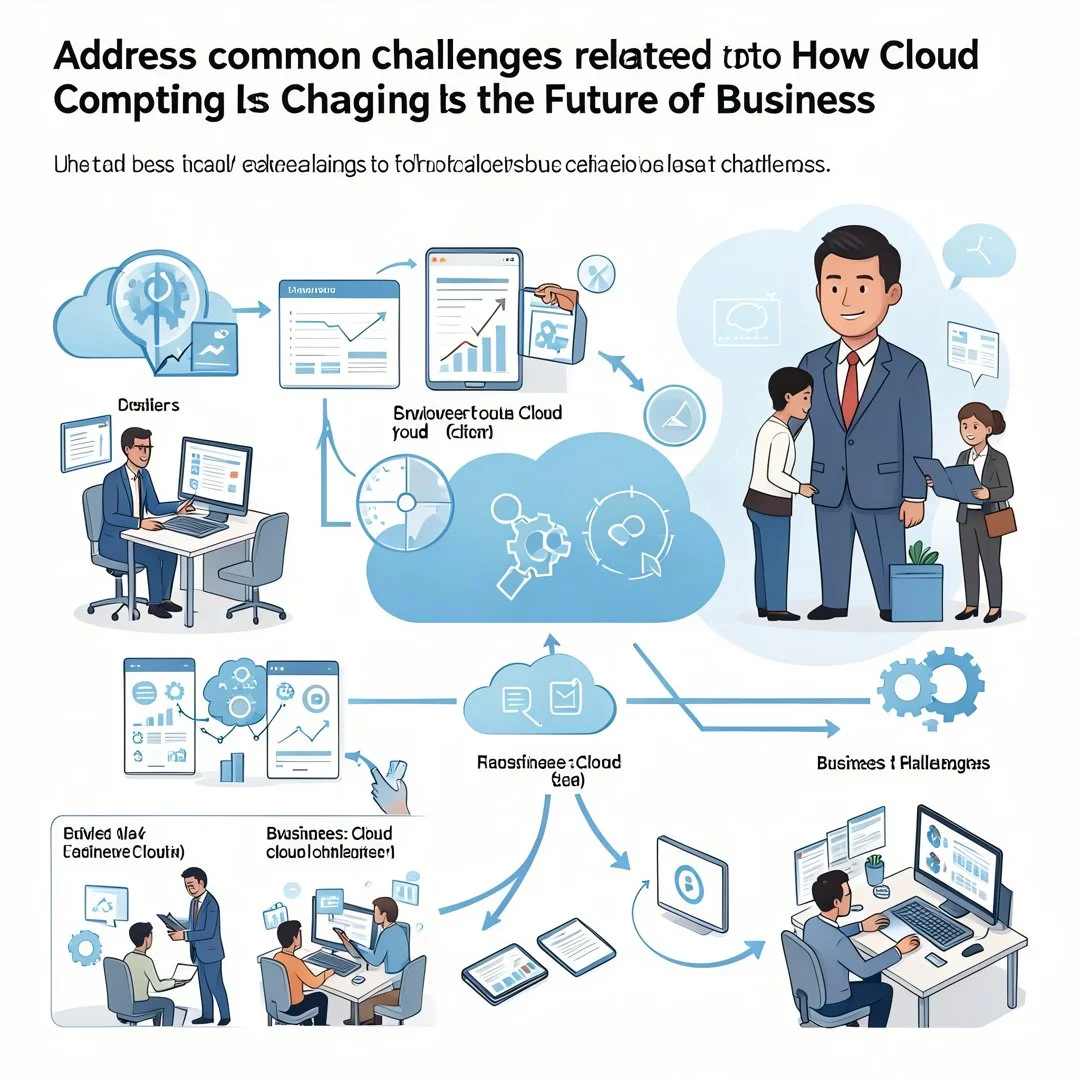
- Infrastructure as a Service (IaaS): You rent virtual servers, storage, and networking. You manage the operating system and applications. This offers maximum control but requires technical staff.
- Platform as a Service (PaaS): The provider manages the underlying infrastructure; you focus on building and deploying your application. This suits development teams that want speed without server administration.
- Software as a Service (SaaS): You use a complete application, such as email, accounting, or customer relationship management, via subscription. This is the most common entry point for small businesses.
Deployment models
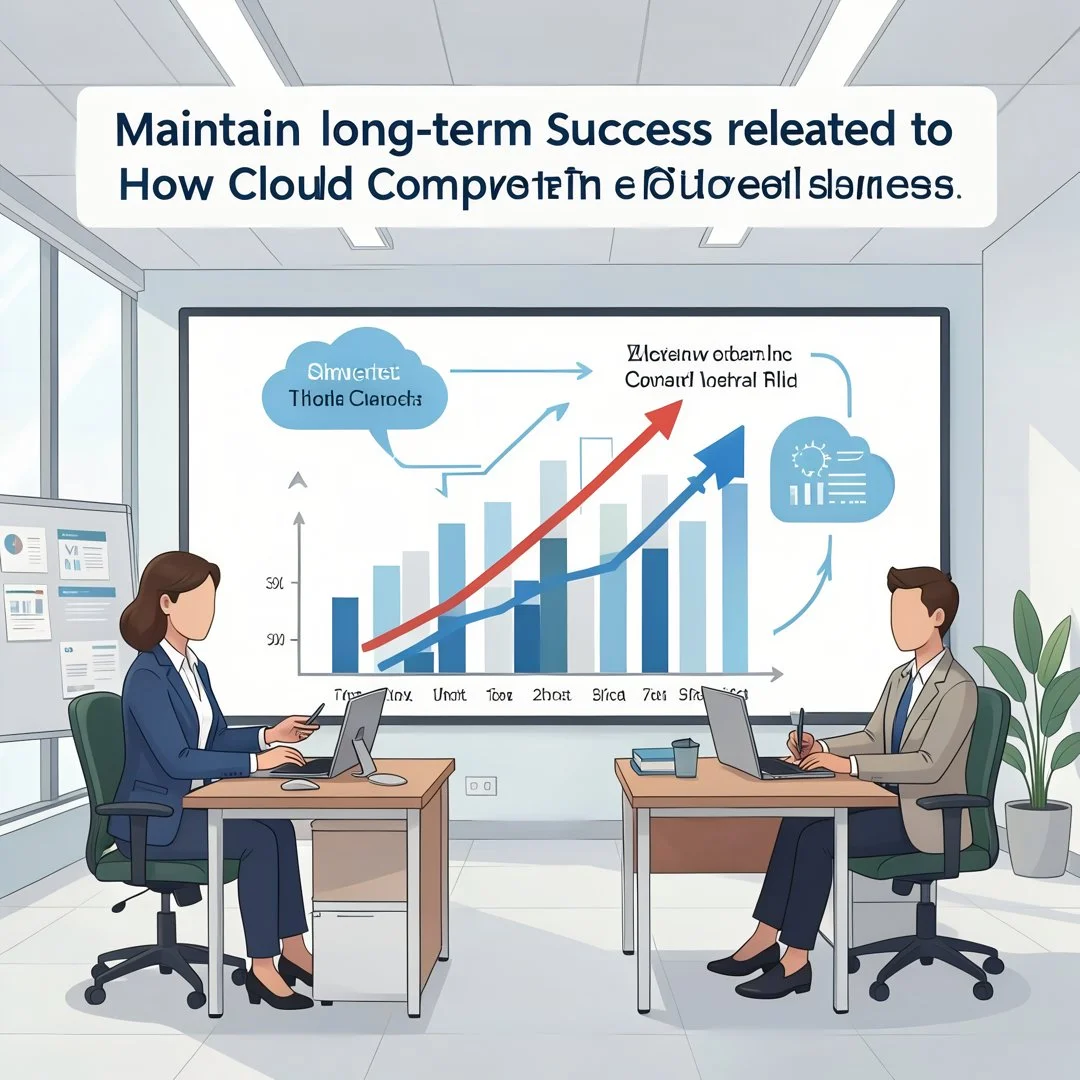
Public cloud services are shared infrastructure operated by a provider. Private cloud is dedicated to one organization, often for regulatory or security reasons. Hybrid cloud combines both, letting businesses keep sensitive workloads on-premises while using public cloud for scalable tasks. Multicloud — using more than one provider — is increasingly common but adds management complexity.
Core economic ideas
Cloud computing shifts spending from large upfront capital expenses to predictable operating expenses. Elasticity means you can scale resources up during demand spikes and down afterward. However, elasticity only saves money when it is actively managed; unmonitored environments tend to grow quietly and expensively. Understanding the fundamentals of how cloud computing is changing the future of business helps you make informed decisions about which model fits your workload and budget.
Deep Dive
The deeper story of cloud computing is not about servers at all — it is about what businesses can do when infrastructure stops being a bottleneck. Three shifts deserve particular attention.
From fixed capacity to elastic capability
Traditional IT required guessing future demand and buying hardware in advance. Too little capacity meant lost sales during peak periods; too much meant idle equipment. Cloud platforms allow teams to provision resources in minutes and release them when no longer needed. For a retailer preparing for a seasonal sale or a startup testing a new feature, this changes the economics of experimentation. You can pilot an idea with modest spend, measure real usage, and scale only if it works.
From local teams to distributed operations
Cloud-based collaboration tools allow employees to work from anywhere with consistent access to files, applications, and communication channels. This has expanded hiring pools beyond commuting distance and made business continuity planning more practical. When systems live in the cloud rather than a single office server room, a power outage or local disruption does not automatically halt operations. That resilience is a strategic asset, not just an IT convenience.
From raw data to decision support
Cloud platforms bundle analytics, machine learning, and data storage services that were once affordable only to large enterprises. A mid-sized company can now analyze customer behavior, forecast inventory, or automate document processing using managed services. The barrier has shifted from access to skills and judgment — knowing which questions are worth asking and how to interpret results responsibly.
There are also cautions. Cloud costs can drift upward without governance. Vendor lock-in can make future migrations expensive. Data residency and compliance obligations vary by industry and region. Security remains a shared responsibility: providers secure the infrastructure, but you secure your configurations, access controls, and data. These risks are manageable, but only when they are planned for rather than discovered later.
Best Practices
Successful cloud adoption follows a set of disciplined habits. These practices apply whether you are migrating a single application or redesigning an entire technology estate.
- Start with a business case, not a vendor pitch. Define the problem you are solving — cost reduction, faster deployment, remote access, or resilience — and measure success against it.
- Inventory before you migrate. Document applications, data flows, dependencies, and ownership. Migrating unknown systems simply moves problems to a new location.
- Implement cost governance early. Set budgets, tag resources by team or project, review spending monthly, and shut down unused instances. Small leaks become large bills.
- Apply least-privilege access. Grant users only the permissions they need, enforce multi-factor authentication, and rotate credentials regularly.
- Automate backups and test restores. A backup that has never been restored is an assumption, not a safeguard.
- Write down your exit strategy. Prefer open standards and portable data formats so you retain negotiating power and migration options.
- Train your people. Cloud tools change workflows. Invest in practical training so teams use features confidently rather than reverting to old habits.
- Review quarterly. Reassess usage, contracts, and goals as your business evolves. Cloud environments drift when left unattended.
Reliable information and consistent habits lead to better long-term outcomes. The organizations that benefit most from cloud computing are rarely the ones that adopted it fastest; they are the ones that adopted it deliberately and reviewed their choices over time.
Step-by-Step: Putting Cloud Computing to Work
The following sequence gives you a practical path from understanding to measurable results. It works for a first migration or for improving an existing cloud setup.
Step 1: Understand the fundamentals
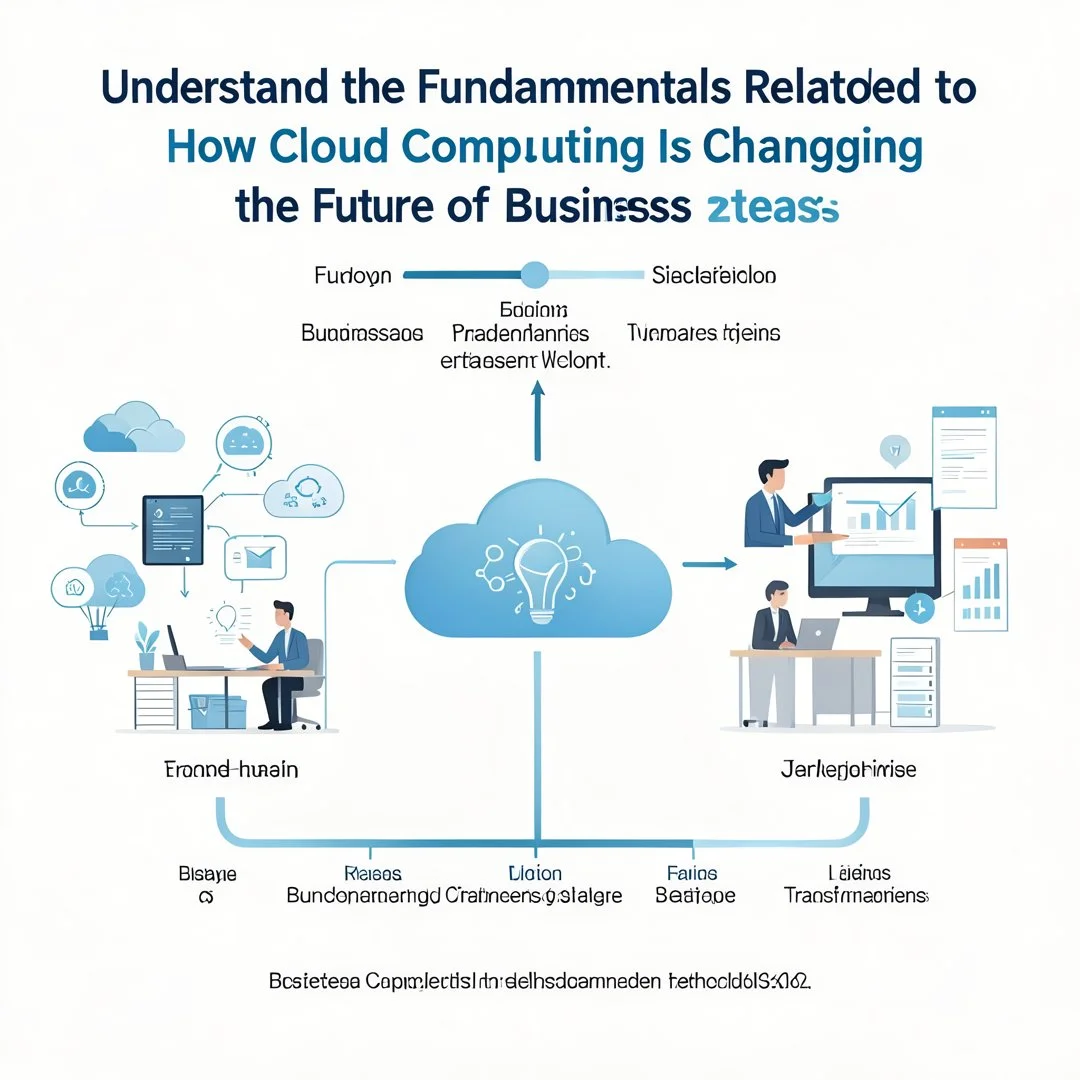
Build shared vocabulary across decision-makers. Learn the difference between IaaS, PaaS, and SaaS, and between public, private, and hybrid models. Identify which workloads are candidates for each. This step prevents mismatched expectations between technical teams and business leaders, and it ensures you can compare vendor proposals on equal terms.
Step 2: Assess your starting point
Take stock of your current systems. List applications, where data lives, who uses each system, and what depends on what. Note current costs, performance pain points, and compliance obligations. A simple spreadsheet is sufficient. The goal is an honest baseline so you can measure change later and avoid surprises during migration.
Step 3: Set clear goals
Convert intentions into measurable targets. Examples include reducing infrastructure spend by a defined percentage, cutting deployment time from days to hours, enabling remote access for a specific team, or achieving a recovery time objective for critical systems. Assign an owner and a review date to each goal. Vague ambitions like “move to the cloud” cannot be evaluated.
Step 4: Gather necessary resources
Identify the skills, budget, and tools required. You may need cloud-certified staff, a managed service partner, or training for existing employees. Confirm budget for both migration and ongoing operations, since running costs continue after the project ends. Establish accounts, billing structures, security policies, and access controls before workloads go live.
Step 5: Apply the core methods
Begin with low-risk, high-value workloads — a SaaS tool for a single department, or a non-critical application for migration. Use the practices outlined above: tagging, least-privilege access, automated backups, and documented configurations. Migrate in phases, validating performance and cost at each stage. Where appropriate, re-architect rather than lift-and-shift; a direct copy of an old system often carries old inefficiencies into a new environment.
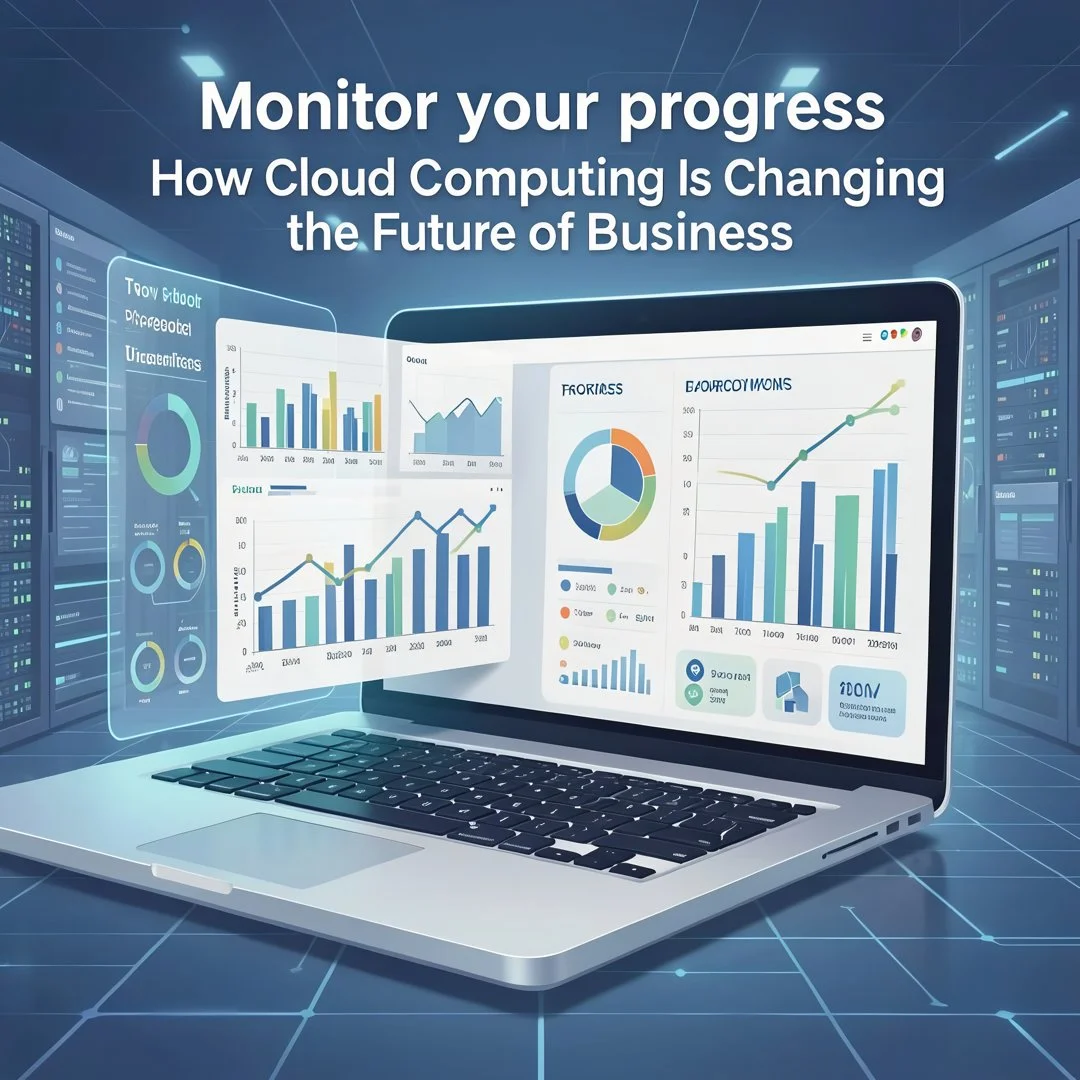
Step 6: Monitor your progress
Review metrics against your goals on a fixed schedule. Track spend by team and service, uptime, incident frequency, deployment speed, and user satisfaction. Hold a monthly review to catch cost drift and a quarterly review to reassess strategy. Adjust budgets, contracts, and architecture based on evidence rather than assumptions. This rhythm is what turns a one-time project into a durable capability.
FAQ
What should I know about How Cloud Computing Is Changing the Future of Business?
The essential takeaway is that cloud computing changes both economics and capability. It shifts spending from upfront hardware purchases to usage-based operating costs, enables rapid experimentation and scaling, and supports distributed teams and data-driven decisions. It also introduces new responsibilities: cost governance, security configuration, compliance, and avoiding vendor lock-in. Understanding these trade-offs — rather than assuming the cloud is automatically cheaper or simpler — is what allows you to make informed decisions and build systems that serve the business over time.
Who is this guide for?
This guide is written for business owners, founders, operations managers, and department leads who need a practical understanding of cloud computing without deep technical jargon. It is also useful for IT staff who need to communicate cloud strategy to non-technical stakeholders. No prior cloud experience is required; the concepts and steps are designed to be actionable for readers at any stage, from evaluating a first SaaS tool to reviewing an existing multi-provider environment.
Is cloud computing suitable for small businesses?
Yes. Small businesses often benefit most from SaaS tools and pay-as-you-go infrastructure because they avoid large capital outlays and can scale as they grow. The key is to start small, track spending, and avoid adopting more services than the team can manage.
How do I control cloud costs?
Tag resources by team or project, set budgets and alerts, shut down unused.
You now have a solid foundation for How Cloud Computing Is Changing the Future of Business. Apply the best practices above and revisit this guide as your needs evolve.